Why Indie Multiplayer Games Are Revolutionizing the Gaming Experience
In today’s dynamic gaming landscape, multiplayer games have evolved significantly, but one genre that stands out is indie games. These creatively crafted experiences, often developed by small teams, have been gaining traction and revolutionizing how we interact with virtual worlds. But why are they making such a splash? Let’s dive deep into the factors driving this revolution.
Game Development Evolution
The evolution of game development has shifted from corporate giants to indie developers who focus on unique narratives and gameplay. This shift enables greater creativity, leading to exceptional multiplayer experiences that foster community engagement. Moreover, the accessibility of game engines like Unity and Unreal has propelled these developers forward.
Community-Driven Feedback Mechanisms

Indie multiplayer games often thrive on community feedback. Developers are more accessible and responsive, allowing them to refine their games based on real player input. This responsiveness creates a gaming experience that feels personalized and attuned to player desires.
Diversity in Genre

Unlike traditional multiplayer games, indie games explore a multitude of genres, ranging from **superhero RPG games** to quirky platformers. This diversity allows players to engage in various gameplay styles, catering to a broader range of tastes and preferences.
Affordable and Accessible Gaming

One significant factor in the rise of indie multiplayer games is their affordability. Players are more willing to experiment with lower-priced games, resulting in increased participation in the indie gaming community. It opens doors for more players, especially in regions like Nigeria.
Innovative Gameplay Mechanics

Indie games often introduce innovative gameplay mechanics that challenge the status quo. For example, a popular indie multiplayer game might merge survival gameplay with narrative decisions, compelling players to make choices that impact the game’s world.
Real-time Collaboration and Competition

The essence of multiplayer experiences lies in collaboration and competition. Indie titles often excel here, offering unique multiplayer scenarios that foster bonding between players. Be it in cooperative missions or competitive play, these games create unforgettable moments.
The Role of Graphics and Art Style

While high-budget games may focus on photorealism, **indie games often embrace unique art styles** that contribute to their charm. A distinctive aesthetic can capture player attention and create memorable visuals that set them apart from mainstream titles.
Examples of Successful Indie Multiplayer Games
| Game Title | Description | Platform |
|---|---|---|
| Among Us | A social deduction game set in a spaceship where players must identify impostors. | PC, Mobile, Switch |
| Don't Starve Together | A survival game where players work together to gather resources and survive in a whimsical world. | PC, PS4, Xbox One |
| Gang Beasts | A silly multiplayer brawler with gelatinous characters battling it out in various arenas. | PC, PS4, Xbox One |
The Importance of Storytelling

Storytelling is often at the heart of indie games. Many indie developers prioritize narrative depth, allowing players to become emotionally invested in their characters and journeys, leading to a more immersive multiplayer experience.
The Influence of Streaming and Content Creation

Platforms like Twitch and YouTube have amplified the visibility of indie multiplayer games. Content creators often spotlight these games, introducing them to new audiences and elevating their communities.
Breaking Cultural Barriers

Indie games often reflect diverse cultures and social issues, allowing them to resonate with players from different backgrounds. This cultural infusion promotes empathy and understanding through shared gaming experiences.
Challenges Faced by Indie Multiplayer Games
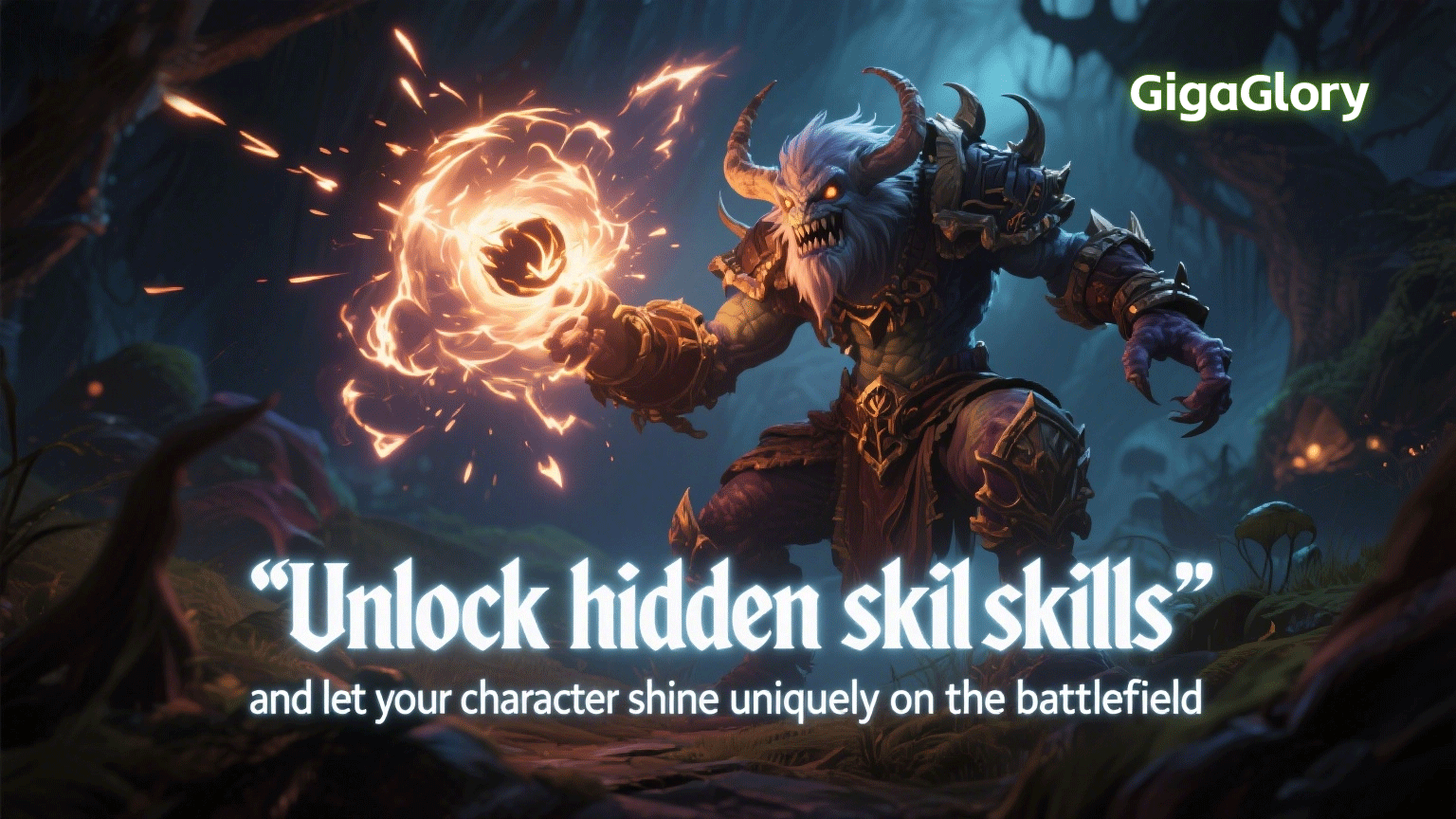
Despite their successes, indie games often encounter challenges, including funding and distribution. Many developers lack the resources that large studios enjoy. Yet, their commitment to innovation drives them to find creative solutions.
The Impact of Multiplayer Mechanics on Player Engagement

Multiplayer mechanics inherently create a more engaging experience. Social interactions can promote longer play sessions and deeper player investment. Indie games capitalize on this, crafting environments that foster camaraderie and rivalry among friends and strangers alike.
Expectations vs. Reality in Indie Multiplayer Games
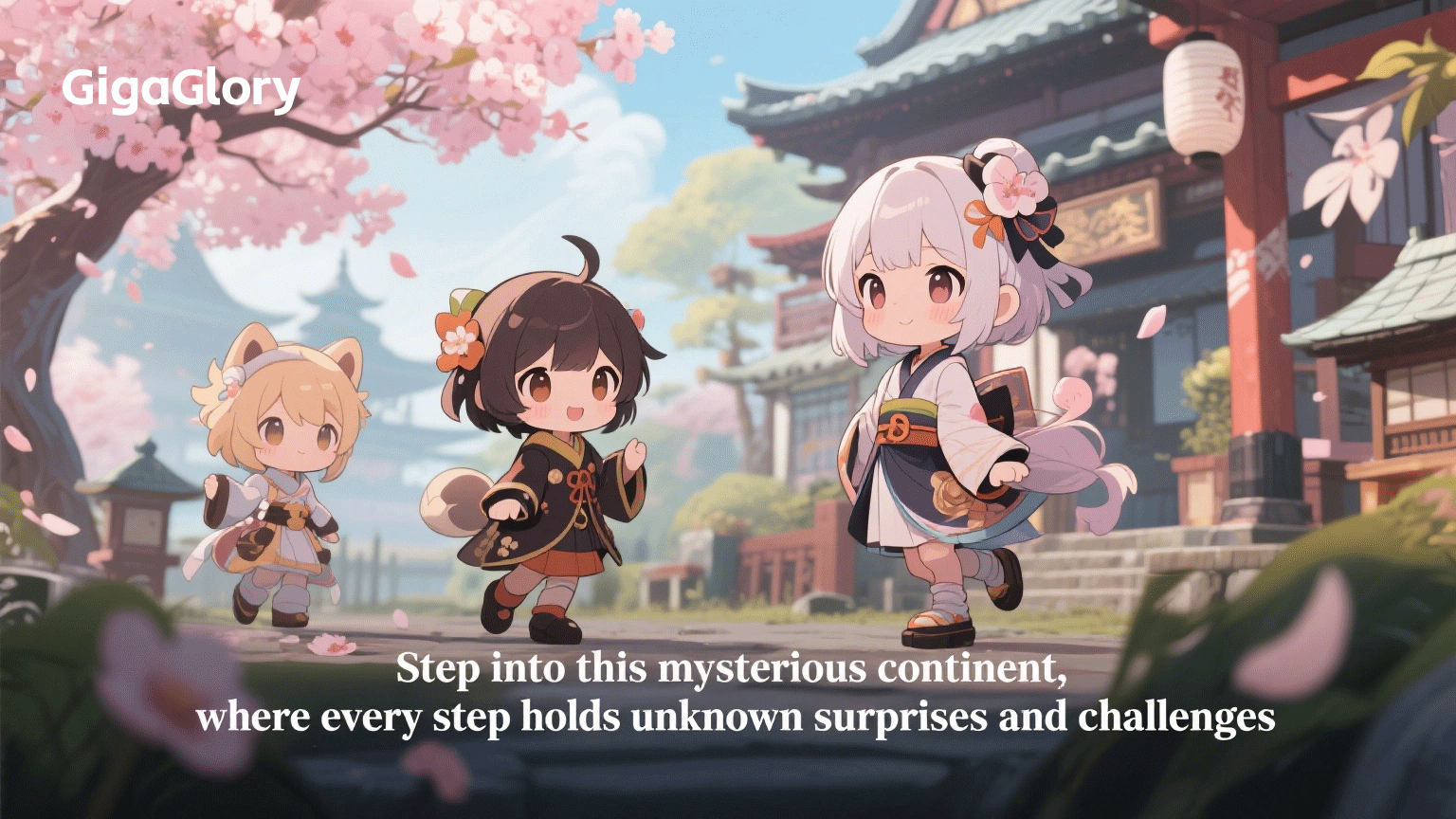
It’s essential for players to understand the difference between polished AAA titles and indie games. Many indie projects, despite being rough around the edges, offer unique experiences that can often surpass expectations.
Future Trends in Indie Multiplayer Games
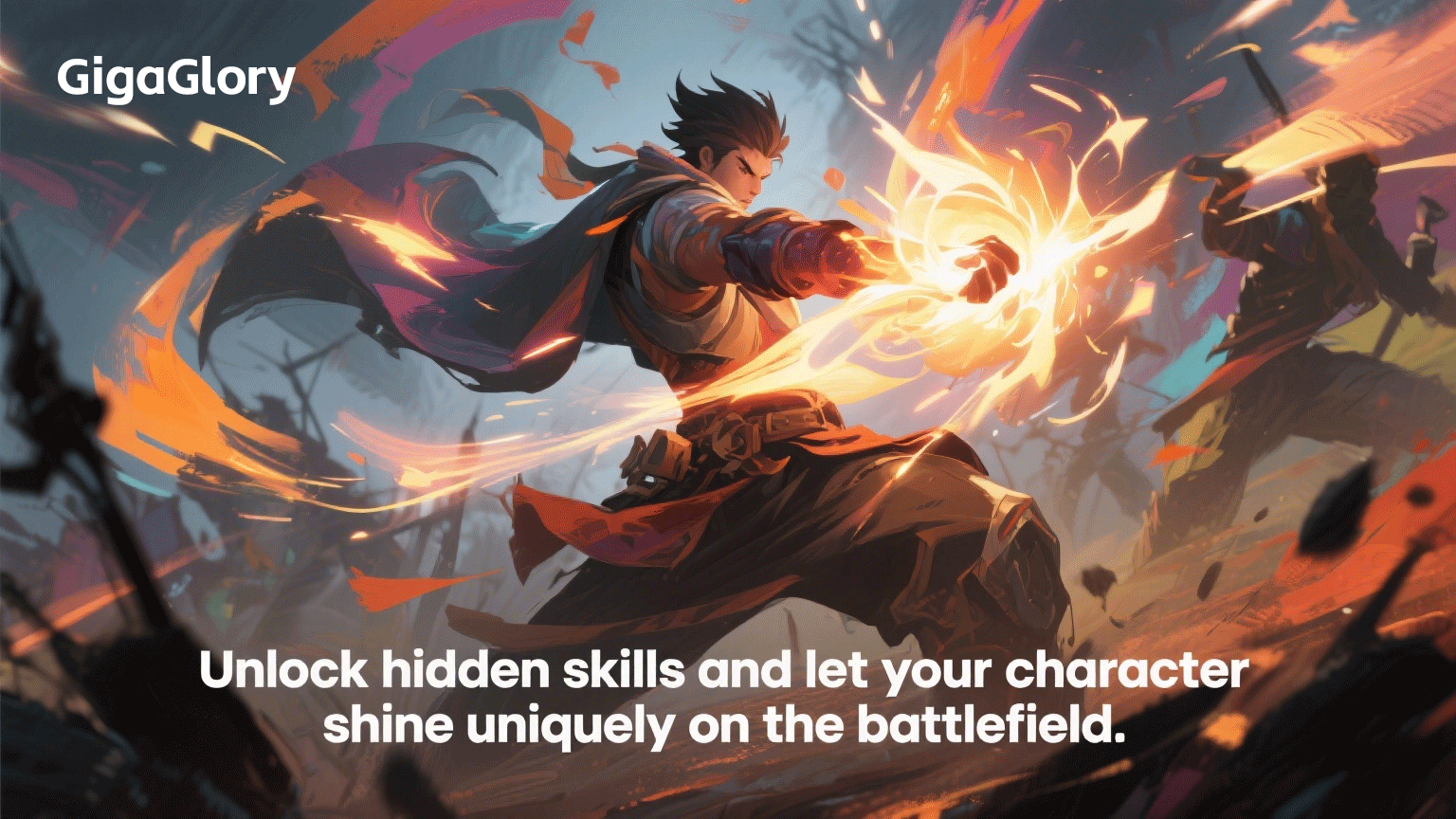
Looking to the future, we can expect even more innovations. As technology advances, indie developers will continue to push boundaries, exploring new genres and gameplay dynamics that can completely change your gaming experience.
Conclusion: The Journey Ahead
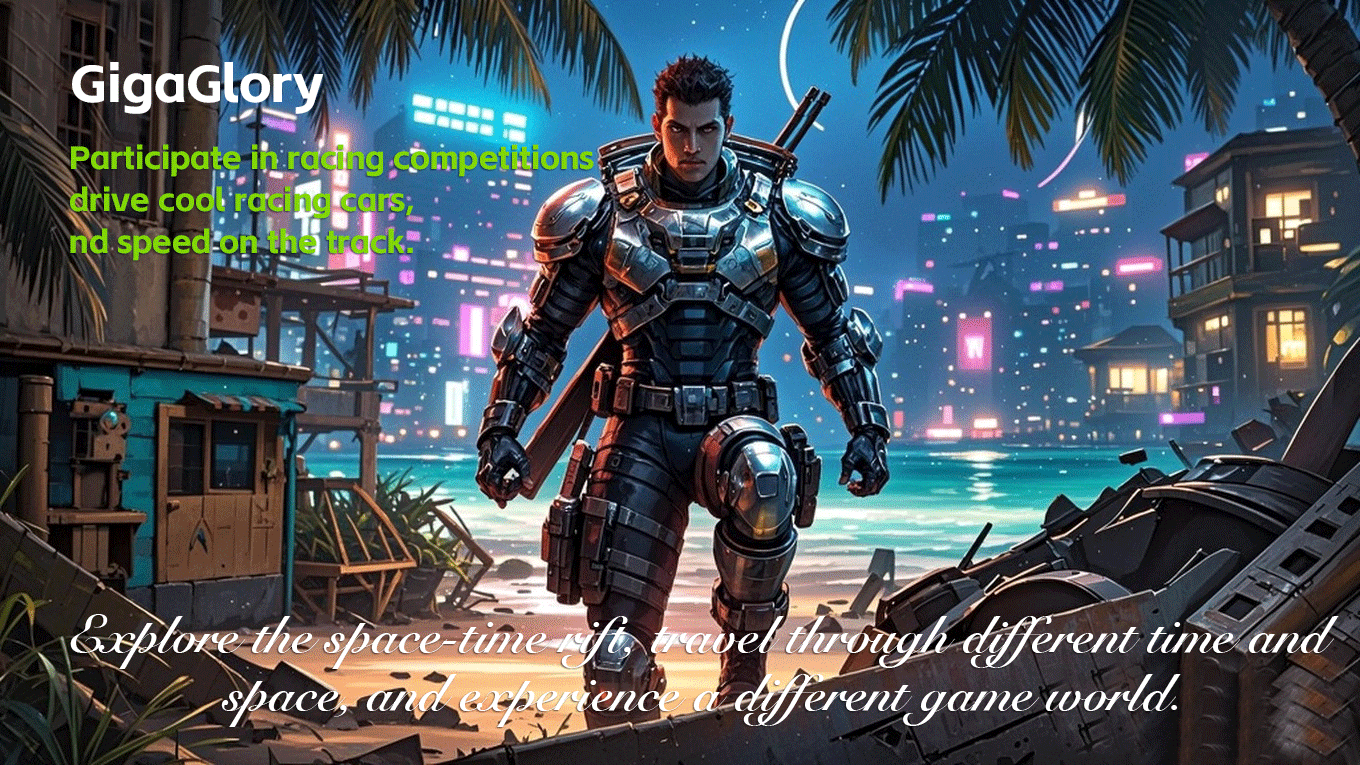
In summary, indie multiplayer games are reshaping the gaming landscape through innovative mechanics, engaging narratives, and community-driven content. They are affordable, diverse, and inclusive, drawing players into exciting new worlds. As we move forward, the evolution of indie gaming will undoubtedly continue to inspire and connect players across the globe, making for a vibrant gaming future.
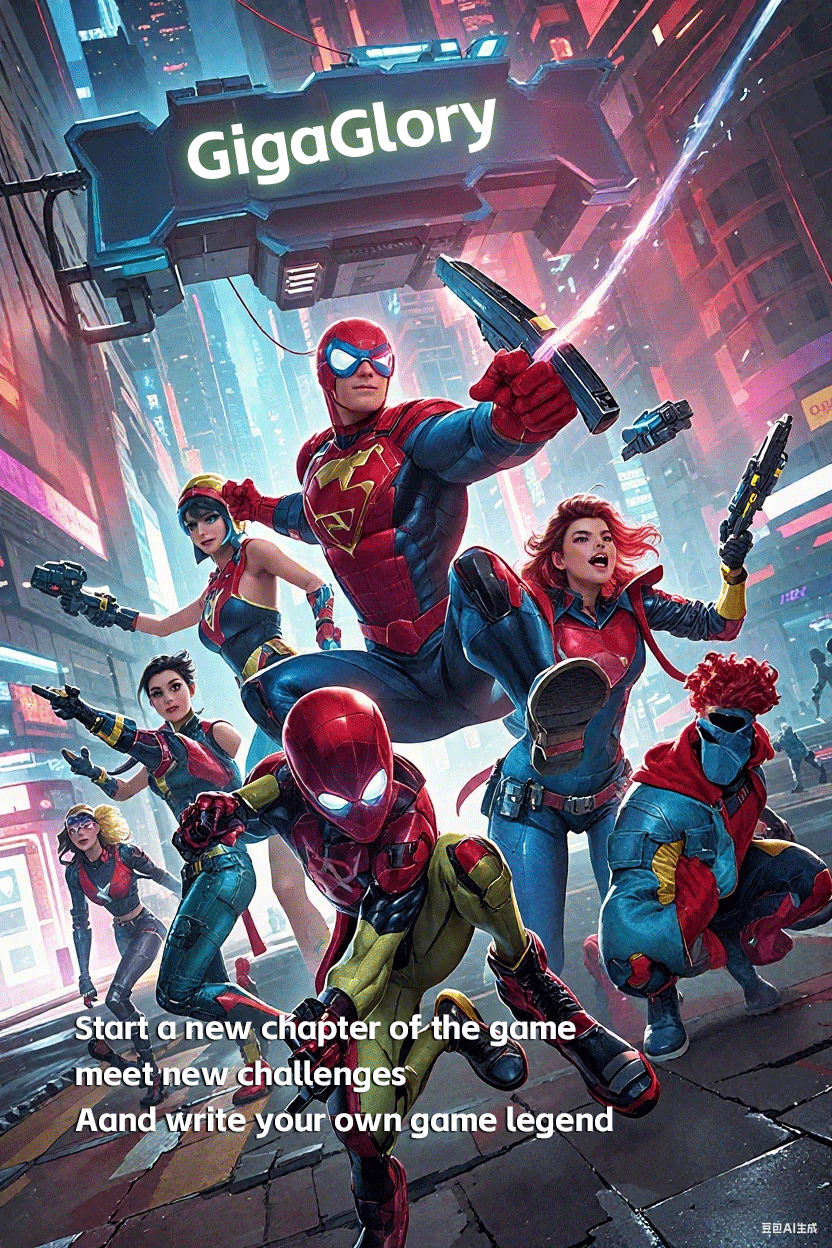
Embrace the revolution and explore the boundless opportunities in the indie gaming scene!